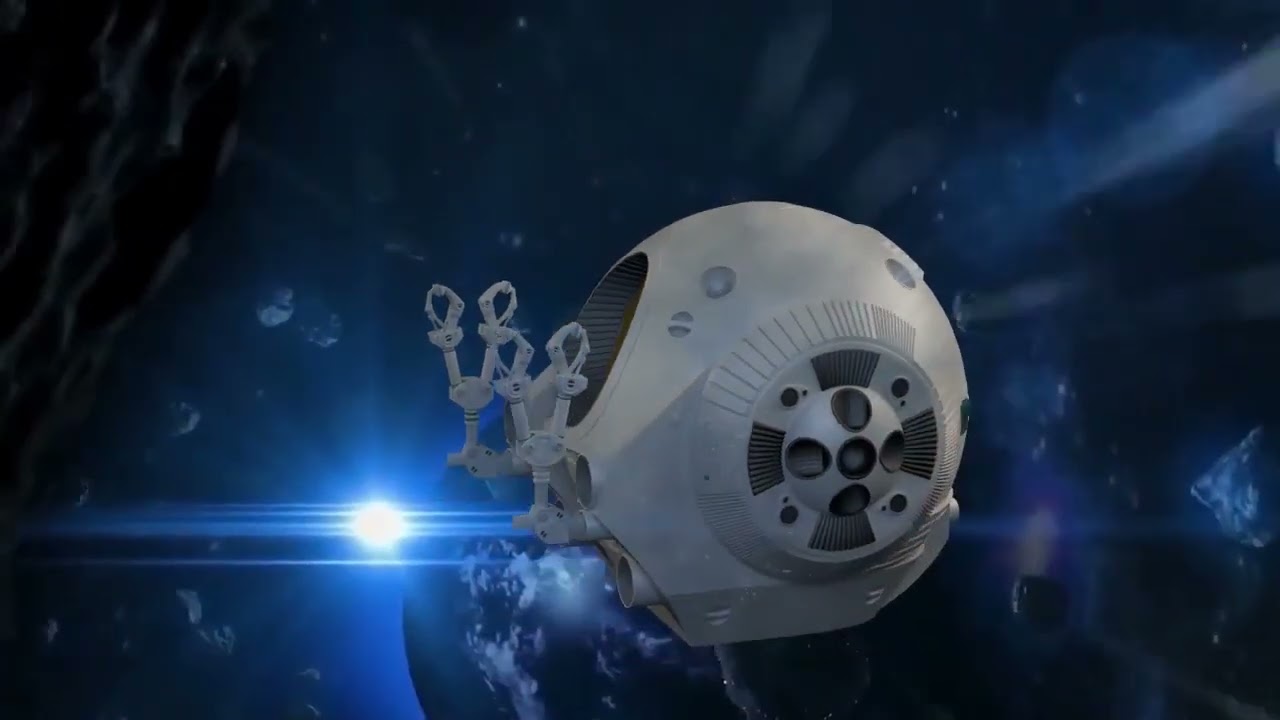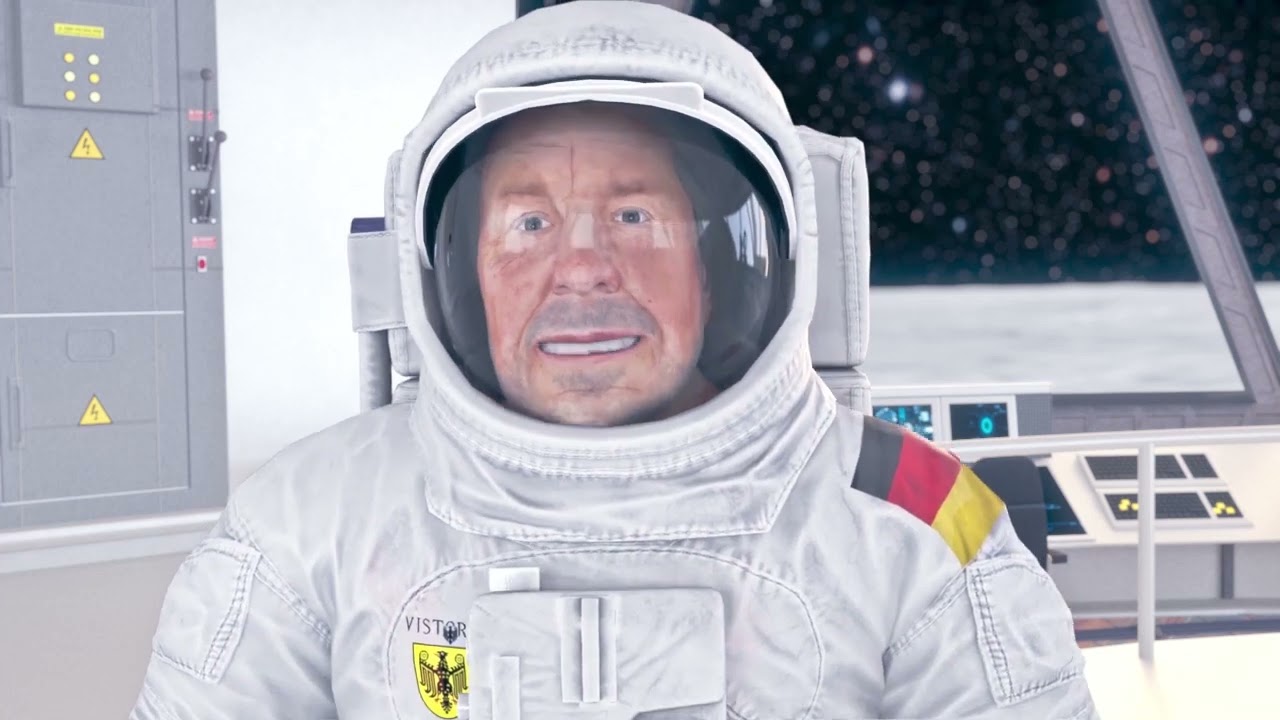


The Goslar Ritter Ram 8D Cinema Project was developed to bring the historical events of Goslar, Germany, to life through animation, motion seats, physical effects, and virtual reality technologies.
What was the purpose of the project?
The primary purpose of the project was to transform Goslar’s history from a conventional, information-based narrative into an interactive experience that allows visitors to feel as though they are part of historical events.
What approach was adopted?
The experience was designed around guided historical storytelling, medieval-themed scenes, three-dimensional animations, and multilingual narration. Motion seats were synchronized with wind, fog, water, snow, and heat effects to create an integrated structure that places visitors at the centre of the story.
8D Cinema Experience
8D cinema technology combined visuals, sound, motion, and environmental effects in real time.
Virtual Reality Experience
History- and horror-themed VR experiences provided visitors with immersive scenarios designed for group participation.
9D Simulation
9D simulations supported by VR headsets and motion capsules added a different layer of entertainment to the visitor journey.
Multilingual Content
The international reach of the experience was strengthened through a multilingual narration system designed for visitors from different countries.
What does this project provide for businesses?
The Goslar Ritter Ram project demonstrates how museums, tourism centres, municipalities, and cultural destinations can transform local history into a technology-supported visitor experience. This approach increases visit duration and destination recall while providing accessibility for different age and language groups.
This project is a comprehensive experience museum concept that combines historical storytelling, 8D cinema, virtual reality, and 9D simulation technologies within a single visitor journey.